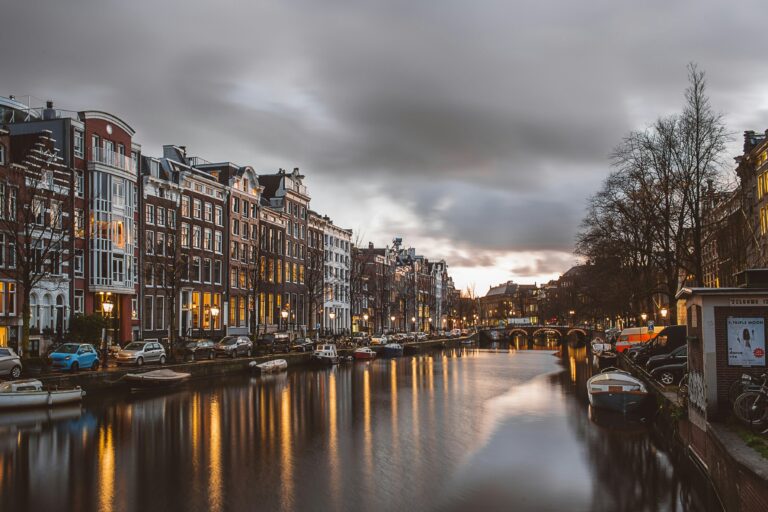
There is a certain excitement that comes with discovering somewhere completely new. A different country, an unfamiliar city, a landscape you have never seen before — all of it carries the feeling of possibility, as if every street could lead to something unexpected and every day could become a story worth remembering.
Because the world is so large and time always feels limited, travel often creates a natural desire to keep moving forward. We collect new destinations, search for places we have never experienced before, and sometimes forget that returning to somewhere familiar can offer a completely different kind of discovery.
The first visit introduces us to a place, but the second visit allows us to truly understand it.
When arriving somewhere for the first time, there is usually a quiet pressure to make the most of every moment. There are landmarks to see, neighborhoods to explore, recommendations to follow, and countless decisions about how to use the limited time available. The experience is exciting, but it is also shaped by curiosity and the desire to understand a place as quickly as possible.
A return visit begins from a different point.
The need to constantly search for something new becomes softer, and instead of trying to collect impressions, there is more freedom to notice what was overlooked before. A street that once felt like just another route becomes a familiar walk. A small restaurant discovered by chance becomes a place to return to. A neighborhood that seemed ordinary during the first trip slowly reveals its personality.
Familiarity creates a different kind of connection — one that is built not through discovering more, but through paying closer attention to what is already there.
There is something special about seeing a place without the expectations that come with a first arrival. The pressure to visit every famous attraction disappears, and the experience becomes less about proving that the trip was worthwhile and more about enjoying the simple rhythm of everyday life.
You begin noticing things that are easy to miss when everything feels new: how the atmosphere changes in the morning compared to the evening, where locals spend their time, which streets feel peaceful after the crowds disappear, and which small details make the place feel unique.
In many ways, returning somewhere allows a destination to become less like a backdrop and more like a relationship.
Just as people reveal different parts of themselves over time, places also become more interesting when we give them the chance to be known beyond their first impression. A city is not only its famous buildings or the places recommended to visitors; it is also the quiet corners, ordinary routines, familiar faces, and small moments that are impossible to notice during a rushed first encounter.
Sometimes the most meaningful journeys are not about finding somewhere new, but about discovering something new in a place we thought we already knew.
A second visit also reminds us that no destination is ever exactly the same, because we never return as exactly the same person. Our experiences, priorities, and perspectives change, which means a familiar place can offer something completely different depending on the moment of life in which we return.
Perhaps that is why some destinations continue to call us back. Not because we missed something the first time, but because there was always more waiting to be discovered.