Some of the nicest moments in a trip can happen after the place you came to see is already behind you. Maybe it’s a small town where the train happens to stop, a café you notice because there is nowhere else nearby, or a quiet road that looks more interesting than the one marked on the itinerary. These moments rarely get planned, but they can change how a destination feels.
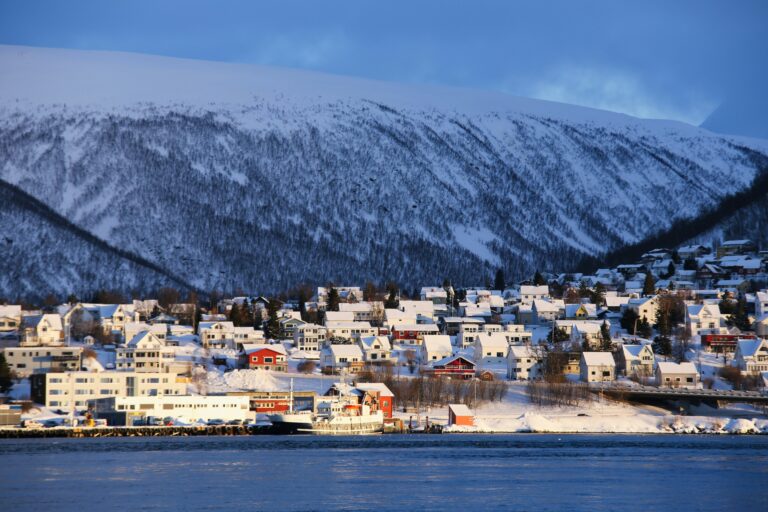
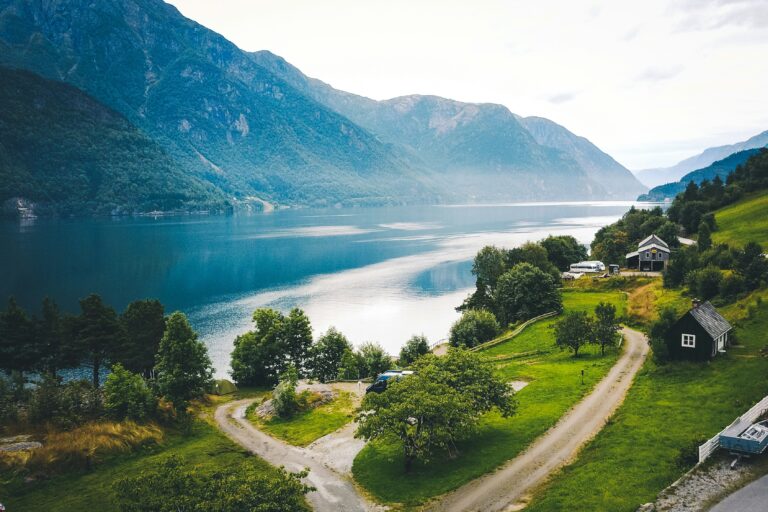
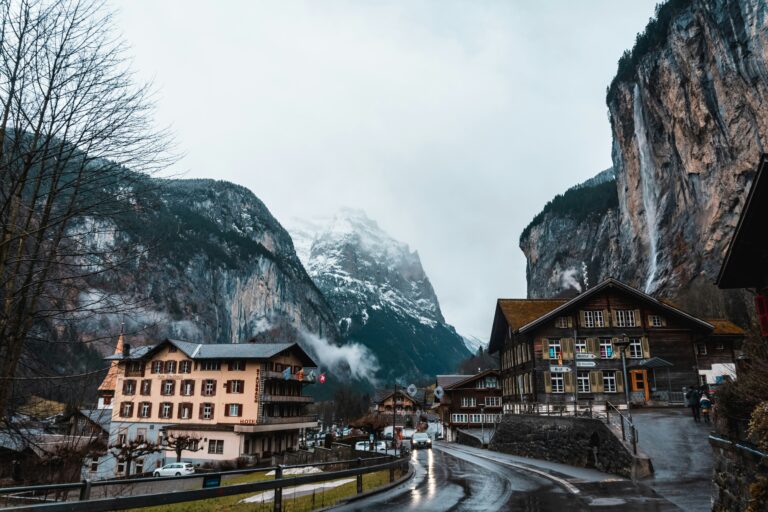
A popular destination usually comes with a familiar list of names: the famous old town, the national park, the viewpoint everyone photographs. Then there are all the smaller places scattered between them — towns, villages, local stations, coastal roads — places most travelers simply pass through on the way to somewhere else.
Those in-between stops can be surprisingly interesting.
A small town halfway between two major destinations doesn’t have to compete with either of them. It might have a bakery opening early in the morning, a quiet square, a market that fills up on Saturday, or a row of houses that tells you more about the region than another famous landmark would.
Sometimes a destination starts to make more sense once you leave its most famous sights behind.
The villages around the Dolomites are a good example. Visitors may come for the dramatic peaks and hiking routes, but the smaller communities scattered between the better-known resort towns offer another side of the region. In Portugal, the road between Lisbon and the Algarve passes through towns and stretches of coastline that can easily become stops of their own. And beyond Japan’s most visited cities, regional trains can lead to quiet coastal towns, mountain villages, and neighborhoods where everyday life feels very different from the image most visitors arrive with.
None of these places need to be hidden gems. In fact, calling everything a “hidden gem” has become almost meaningless. A place can be easy to find and still be worth discovering simply because it gives you a different view of where you are.
Sometimes that difference is small. A town market instead of a major attraction. An afternoon by the harbor instead of another museum. These aren’t necessarily the moments that make the itinerary look impressive, but they can make the destination feel more real.
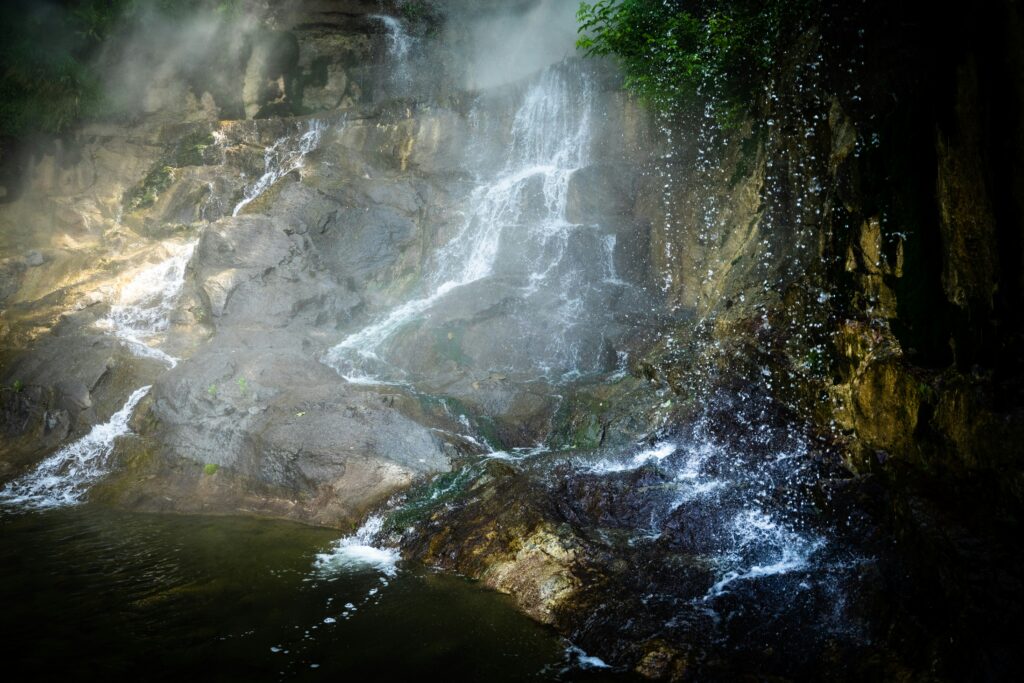
The character of a region often lives in the details that were never meant to be attractions.
Leaving some space around the main stops makes room for these moments. A train timetable might suggest an unexpected stop. A road might look interesting enough to follow for another twenty minutes. A recommendation from someone at a café might send the day in a completely different direction.
And sometimes nothing remarkable happens at all. A small town might simply be pleasant. The coffee might be good, the streets quiet, and the afternoon easy. That can still be enough.
The point isn’t to avoid famous places. The Colosseum is still worth seeing in Rome, the mountains are still the reason many people travel to the Dolomites, and Kyoto’s temples aren’t somehow less meaningful because millions of other people have visited them. The idea is simply to leave enough room for the destination to be more than its highlights.
A trip can have a few things that absolutely need to be seen and still have plenty of space for everything that doesn’t. Sometimes the most memorable stop is the one that was never supposed to be a stop at all.