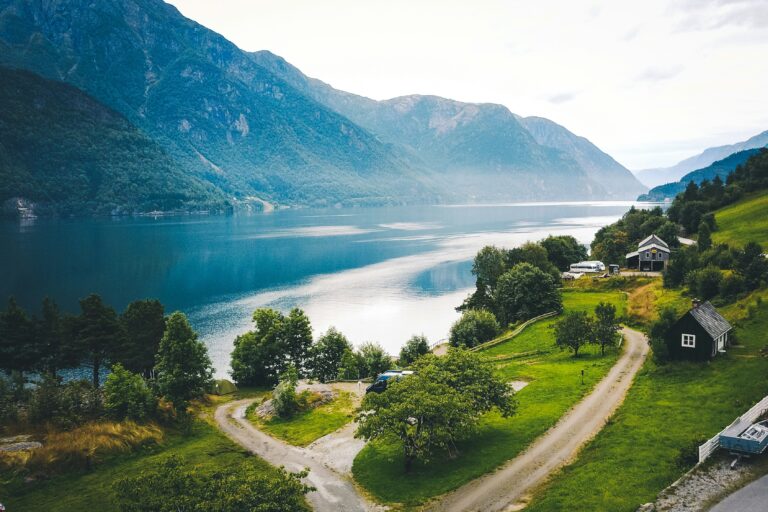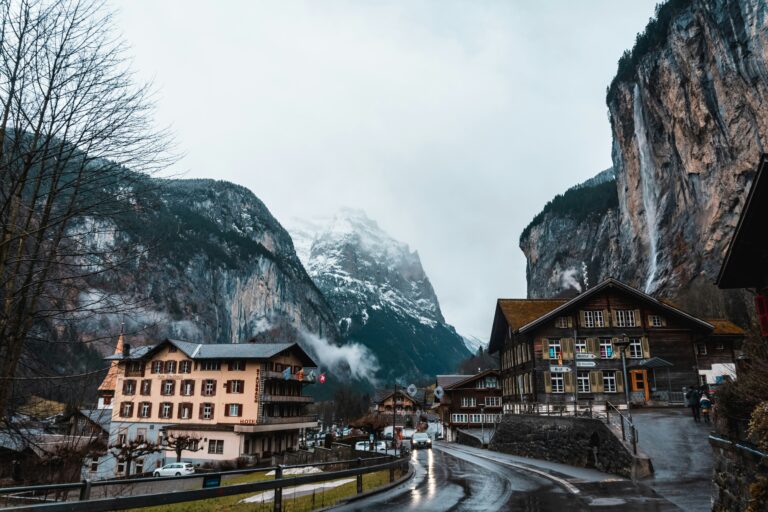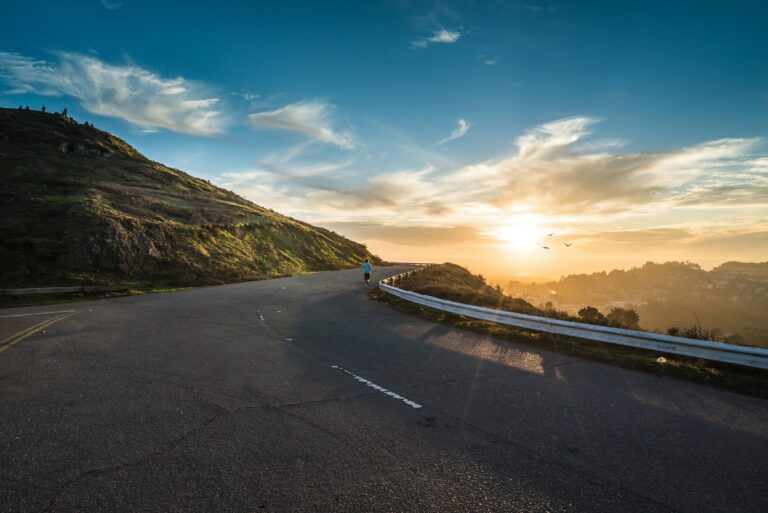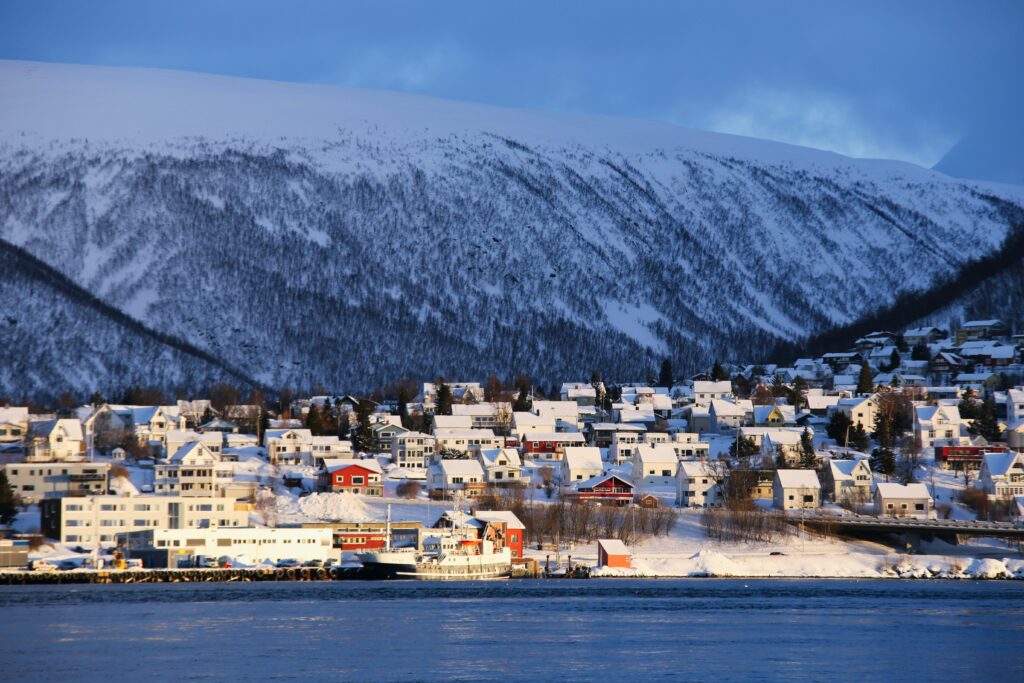
Weather can completely change the way a place feels. A city that seems bright and energetic under the summer sun can become quiet and atmospheric in the rain, while a coastline covered in fog can feel almost like a different landscape from the one seen on a clear afternoon.
Some destinations are especially memorable because the weather is not something to work around. It is part of the experience.
Think of Reykjavik on a cold, windy morning, when the weather seems to make the surrounding landscape feel even more dramatic. Or Bergen, where frequent rain is so closely associated with the city that waterproof clothing becomes almost as useful a travel accessory as a camera. The wet streets, dark clouds, and mountains disappearing into mist give the city a character that sunshine alone could never create.
Sometimes the weather doesn’t interrupt the experience of a place; it creates the atmosphere that makes it memorable.
The same is true in other parts of the world. Summer heat gives cities such as Seville a completely different rhythm, with long afternoons that encourage slower lunches and later evenings. In the Scottish Highlands, changing skies and sudden rain can transform the landscape several times during a single drive. And in Japan, the arrival of cherry blossoms is closely tied to a particular season, making the timing of a visit part of the experience itself.
Weather also changes how a destination is experienced physically. Rain might mean ducking into a small café instead of continuing with a sightseeing route. Snow can turn an ordinary street into something worth walking through slowly. Strong coastal winds can make a short walk feel completely different from the same route on a calm day.
These moments are rarely part of the itinerary. They simply happen.
A little unpredictability can make a familiar destination feel more alive.
Of course, there are places where weather genuinely matters for practical reasons, especially when hiking, driving, visiting remote areas, or planning outdoor activities. Checking conditions and preparing properly still matters. But there is a difference between being prepared for the weather and expecting a destination to provide perfect conditions every day.
Sometimes the cloudy morning becomes the better photograph. The rain leads to an unexpected lunch. The fog hides the view you came to see and gives you something else instead. A sudden change in temperature might even become one of those small details that brings the trip back to mind years later.
Perhaps that is part of the appeal of traveling: places don’t always appear exactly as expected, and the weather is one of the simplest ways they can surprise us.
A destination can look beautiful under a clear sky, but sometimes its real character appears when the weather refuses to cooperate.