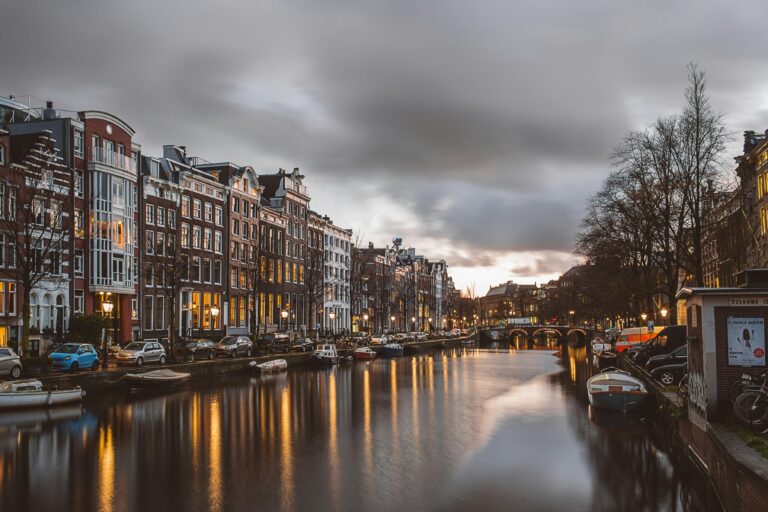
The bakery you passed every morning suddenly looks worth stopping at.
The little street you ignored because it wasn’t leading anywhere important now feels familiar. You know which corner has the best light in the afternoon, where the coffee is good, and which tram you keep seeing outside your hotel.
Nothing on your list has changed.
You have simply been there long enough to notice things differently.
That is what makes the last day of a trip slightly unusual. By then, a destination is no longer completely new, but it hasn’t become ordinary either. You know your way around, yet you are still seeing details for the first time.
It can be tempting to use those final hours to collect whatever is missing: one more museum, one more viewpoint, one famous street that somehow never made it into the itinerary.
But the last day doesn’t have to be about finishing the destination.
Sometimes it is better used for returning to the parts of it you already liked.
Go back to the café where you had breakfast on the first morning. Walk through the neighborhood where you were staying without checking the map. Sit in the same square for twenty minutes longer than necessary. Buy something small from the market. Take the tram or bus to the end of the line simply to see another part of the city.
None of these things will improve a sightseeing checklist.
They might make the trip feel more complete.
By the last day, the pressure to see everything has usually disappeared. You already know the main streets. You have taken the photographs you wanted. You have probably figured out the public transport, found your favorite coffee, and learned which direction to walk when you don’t feel like looking at your phone.
That familiarity changes the way you see the place.
You start recognizing the same shopkeeper, the same bus stop, the same dog sleeping outside a restaurant.
A destination often becomes more interesting once you stop trying to discover it.
There is also something satisfying about visiting a place twice during the same trip.
If the first coffee was good, have another one there. If there was a park you liked, return to it. If the waterfront was beautiful at sunset, see what it looks like in the morning.
You don’t need a new experience every few hours.
Sometimes the second visit is better simply because you know what you are looking at.
The last day still needs some practical thinking. Leave enough time for the airport or station. Don’t plan something on the other side of the city if traffic could turn the afternoon into a stressful race. Keep some room for luggage, delays, and the unexpected.
But within those limits, let the schedule become lighter.
A good last day might be breakfast somewhere nearby, a long walk, a local market, and a slow journey back to collect the bags.
It might even be mostly spent doing nothing particularly memorable.
And that is fine.
The final hours don’t need to compete with everything that came before them.
Sometimes the nicest way to leave a place is to return to something familiar, notice a few details you missed the first time, and let the destination feel ordinary for a while.
Then, when it is finally time to leave, there is no feeling that you still had to squeeze one more attraction into the day.
Just the quiet sense that the trip had enough time to end.
A journey doesn’t always need a final highlight. Sometimes it needs a little room to say goodbye.