Before every trip, there is usually a plan — a list of places that feel important, the ones everyone recommends, the ones that look unforgettable in photos. And then there are the places that stay somewhere in the background, the ones that seem nice but not essential, the ones that can easily be removed when the schedule becomes too full.
This was one of those places.
At first, it didn’t seem like a priority. It wasn’t the famous destination everyone talked about, and it didn’t have a long list of “must-see” spots that immediately made it feel worth the extra effort. There were other places that sounded more exciting, more impressive, and easier to justify adding to the itinerary.
For a while, the decision felt simple: skip it and spend more time somewhere else.
But something kept bringing it back.
Maybe it was curiosity, maybe it was just the feeling that the trip needed a slower moment between all the planned stops. Eventually, the route changed slightly, and the visit that almost didn’t happen became part of the journey.
The first few minutes were nothing extraordinary.
There was no instant feeling of discovering a hidden gem. No dramatic view that made everything suddenly make sense. It was simply a quiet place, moving at its own pace, without trying to prove why it deserved attention.
And somehow, that made it even better.
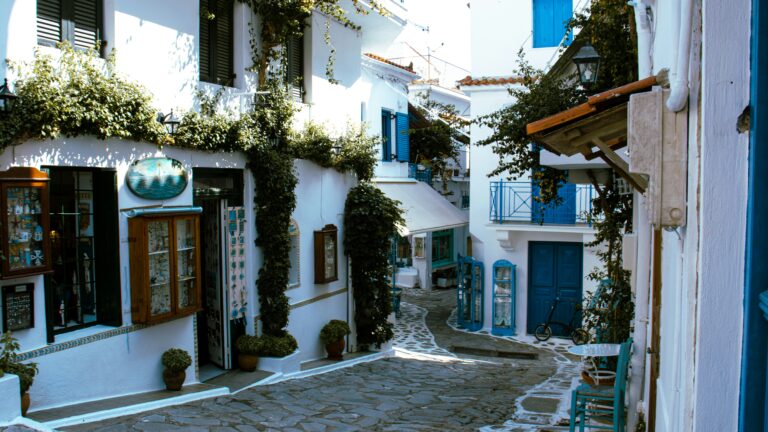
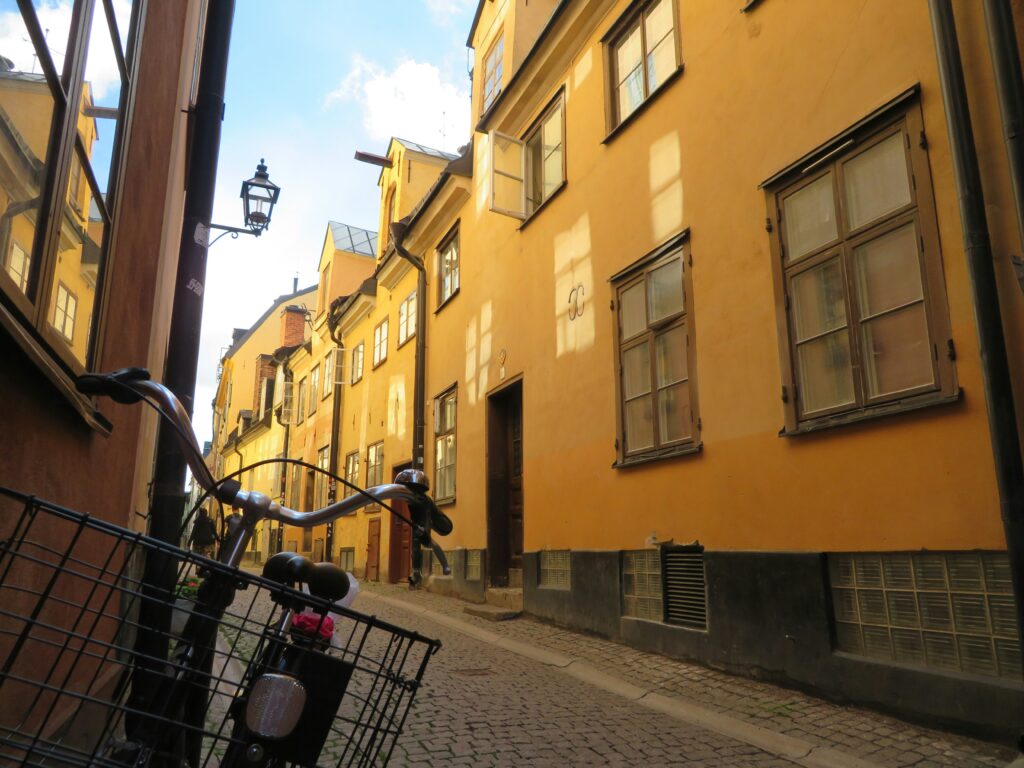
Because there was no pressure to be impressed, there was more space to actually notice things. The way people moved through their day. The small cafés where locals sat for longer than expected. The streets that weren’t designed for visitors, but for everyday life. The small details that usually disappear when traveling with a checklist.
The place felt less like something to see and more like somewhere to be.
After spending days following routes, schedules, and recommendations, this slower rhythm changed the entire feeling of the trip. There was suddenly time to wander without checking what came next, to sit somewhere simply because it felt nice, to experience a place without comparing it to everything else.
Looking back, that unexpected stop became one of the strongest memories from the journey — not because it was the most beautiful or the most impressive place visited, but because it felt unplanned and genuine.
Travel often teaches us that the best moments are rarely the ones we try hardest to create. Sometimes they appear when plans become flexible, when curiosity wins over efficiency, and when there is enough openness to follow something that cannot be measured in advance.