The hotel is only six minutes away.
The map says so, at least.
There is a familiar street ahead, a blue line on the screen, and no real reason to take another route. After a full day of walking, the quickest way back seems like the obvious choice.
Then you notice a narrow street going in the opposite direction.
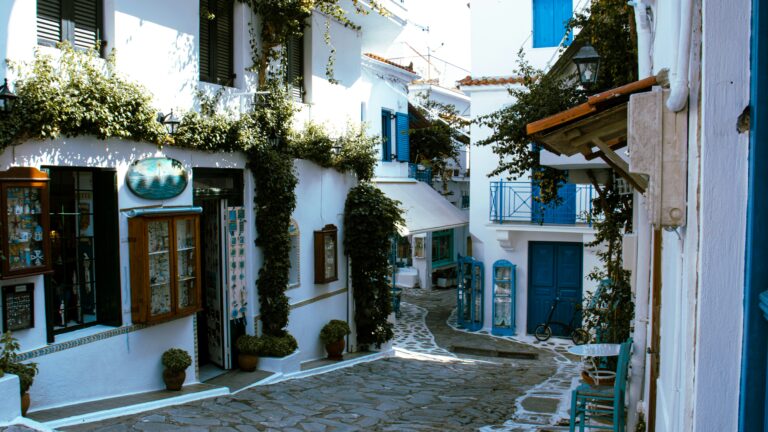
There is a small restaurant on the corner, a few tables outside, and warm light coming through the windows above it. You have no idea where the street leads.
So you turn.
It adds fifteen minutes to the walk.
The street leads past a bakery closing for the evening, a small grocery store with a few customers, and balconies covered with plants. Children are playing football in a square, someone is setting tables outside a café, and dinner is being prepared somewhere behind an open window.
None of it was on the itinerary.
And that is exactly what makes it interesting.
The streets away from the main sights often show a city in its most ordinary, unfiltered moments.
This becomes especially noticeable toward the end of the day. The queues at attractions are getting shorter, tour groups are disappearing, and neighborhoods are settling into their evening routines.
In Rome, it might mean wandering through Monti instead of taking the direct route from the Colosseum. In Lisbon, a wrong turn can lead to a quiet staircase or a neighborhood café. In a coastal town, the longer route might simply follow the harbor instead of the main road.
You don’t need a destination for every walk.
Sometimes it is enough to choose a street that looks interesting and see where it goes.
The longer you stay somewhere, the easier this becomes. After a few days, you know the general shape of the neighborhood, which means you can put the phone away and pay attention to the buildings, shop windows, sounds, and people around you.
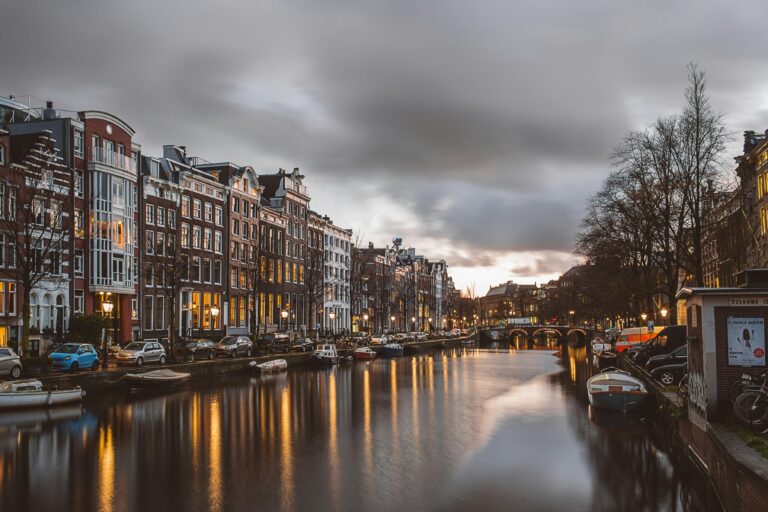
Of course, there are evenings when the shortest route is exactly what you need. But when there is nowhere to be, get off the tram one stop early. Walk beside the water. Cross a bridge instead of taking the metro. Take the street you have passed three times without noticing.
You might find a new café.
You might discover a quiet square.
Or you might simply arrive at the hotel fifteen minutes later.
Either way, you have seen a little more of the place than the map intended.
Sometimes the best route back is the one that gives you something to notice along the way.