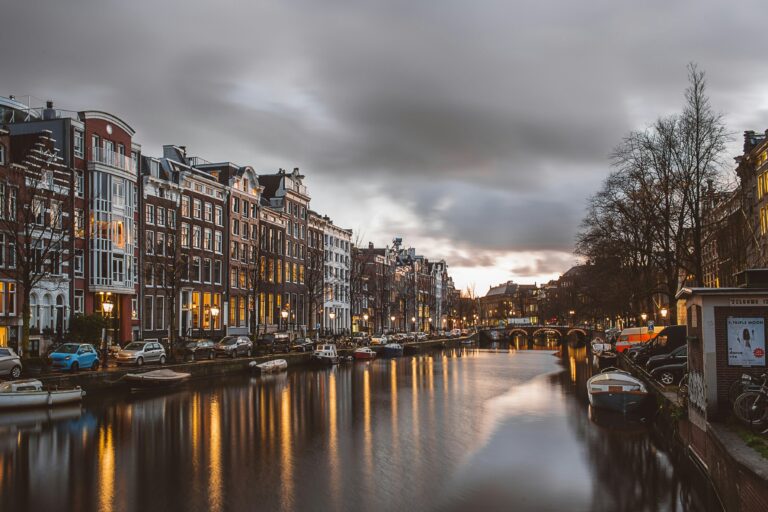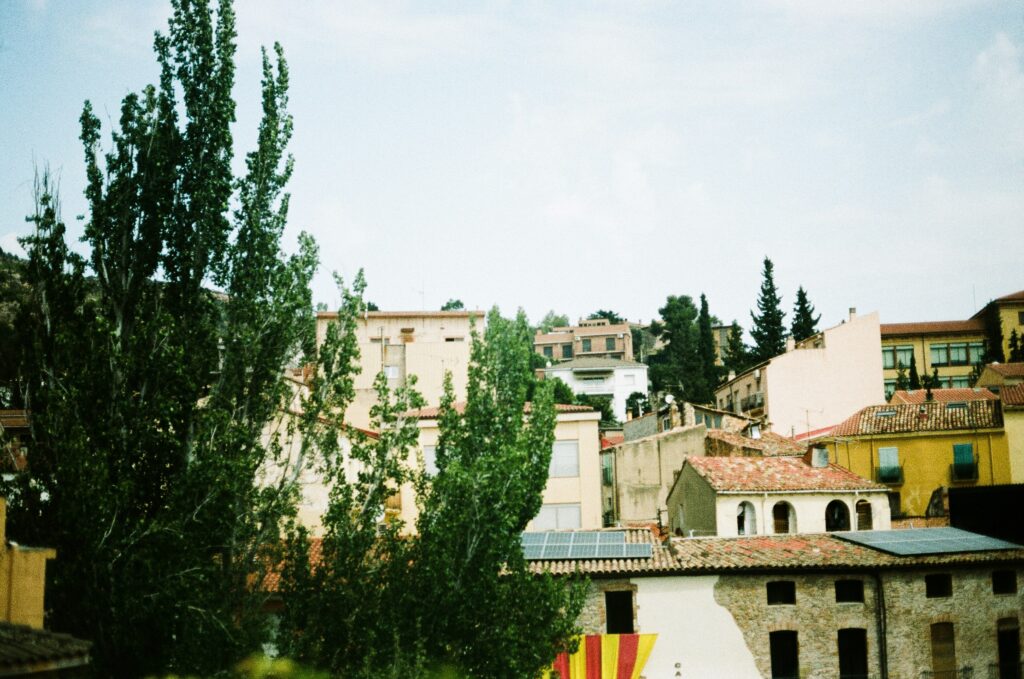
Sometimes the most interesting thing about leaving home is not what we discover somewhere else, but what becomes easier to see once we are far enough away from our usual routines.
At home, most days tend to follow a familiar pattern. We wake up, work, answer messages, run errands, meet people, and move through places we already know without giving much thought to why we do things the way we do. Familiarity makes life comfortable, but it also makes many of our choices almost invisible to us. Travel interrupts that pattern.
Even simple things suddenly require a decision. Where to have breakfast, how to spend the afternoon, whether to walk or take a bus, whether to follow the planned route or turn down an unfamiliar street. Without the usual routines to guide us, there is often more room to notice what we actually enjoy and what we have simply become used to.
A few days away can make surprisingly ordinary things feel important. Maybe it’s having a slow breakfast without checking the time, walking everywhere instead of driving, spending an afternoon outside, or having a long conversation without looking at the clock. None of these experiences is particularly extraordinary, but they can reveal how little space some of them have in everyday life.
Travel can sometimes show us that the things we miss most are not always places, but ways of living.
That realization can be both comforting and slightly uncomfortable. A trip might make you realize how much you enjoy having fewer commitments, how often you rush through meals, or how rarely you spend an entire afternoon without trying to be productive. It can also reveal which parts of everyday life you genuinely value, because distance has a way of separating what matters from what has simply become routine.
Of course, going home doesn’t mean recreating the trip exactly. Nobody can live permanently as though every day were a vacation, and most of us wouldn’t actually want to. Work, responsibilities, relationships, and ordinary routines are part of a full life.
But a journey can leave behind small clues.
Maybe the morning walk becomes something worth keeping. Maybe there is a desire to spend less time rushing between plans, cook more often, spend more time outside, or finally make space for something that has been postponed for years.
The most useful part of a trip may sometimes be what it makes us question after we return.
Coming home can feel different when you realize that some of what you loved about being away was not the destination at all, but the version of yourself that had more time to notice, choose, and simply be.
Travel doesn’t always give us answers, and it doesn’t have to. Sometimes it simply creates enough distance to ask better questions about the life waiting for us at home.