You feel it almost immediately. Before you understand a city’s language or layout, there’s an atmosphere. Some places feel open and breathable. Others feel dense, layered, emotionally weighty.
Cities carry energy shaped by design, history, climate, and rhythm. As travelers, we don’t just see them — we absorb them.
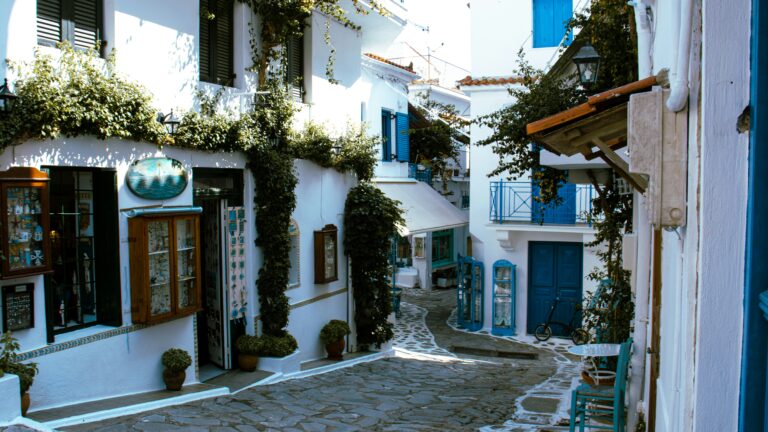
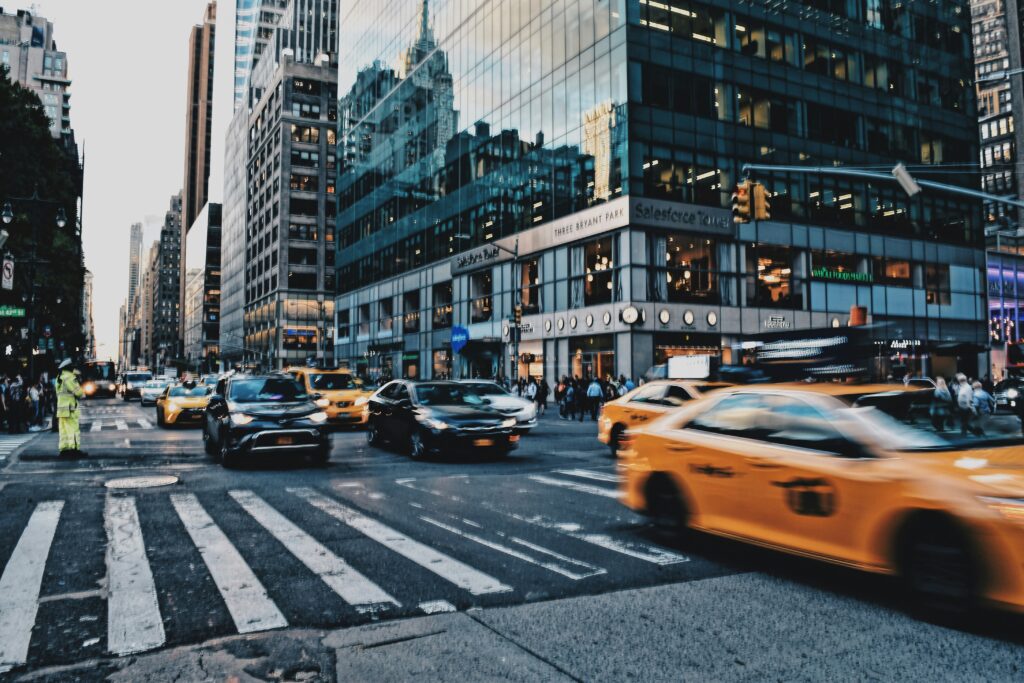
Wide streets, open skies, waterfronts, and greenery create space. They allow the body to relax and move freely. Dense buildings, traffic, and constant noise can create sensory pressure. This isn’t inherently negative — some find it energizing — but it adds intensity.
The structure of a city often becomes the structure of your experience.
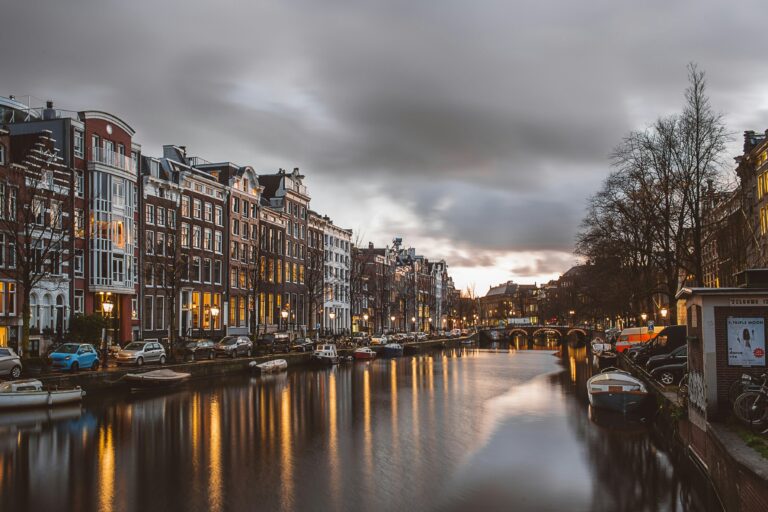
Cities layered with history can feel heavier because they hold stories of transformation, struggle, and resilience. You sense that much has happened there. That depth invites reflection — but it also asks something of you emotionally.
Newer or more future-oriented cities often feel lighter, projecting movement and possibility rather than weight.
Fast cities generate urgency. Slower cities allow lingering. The collective rhythm influences your nervous system — whether you realize it or not.
Some environments energize. Others calm. Both are valid, depending on what you need.
Sunlight, coastal air, and long days often create emotional openness. Gray skies and colder climates can encourage introspection. Weather subtly shifts how expansive or grounded a place feels.
A city’s weight or lightness isn’t universal. It depends on you. Your mood, expectations, and life stage shape perception. The same place can feel overwhelming at one time and inspiring at another.
Intentional travel means noticing atmosphere, not just attractions. Sometimes you seek complexity. Other times, you need air.
The right city is not the most famous one.
It’s the one that matches your inner landscape — right now.