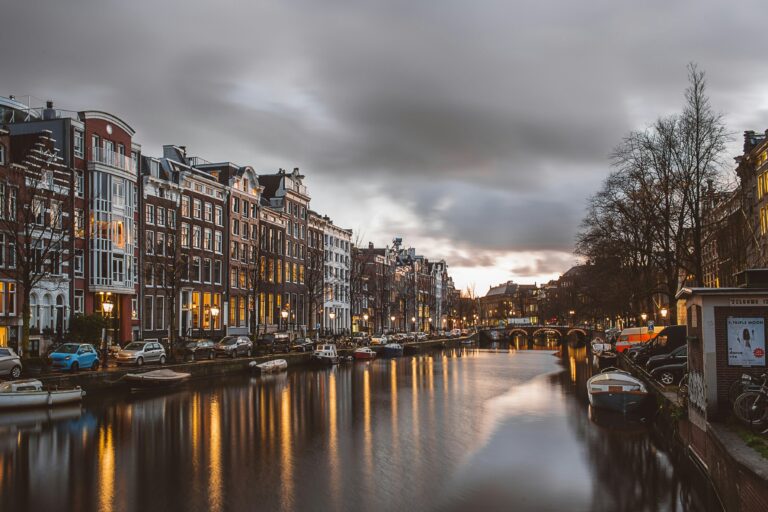
Travel today is rarely just an experience. It is documentation. Proof. Performance.
Before a trip even begins, there’s often an unspoken narrative forming — what will be photographed, what will be shared, what will look meaningful. A sunset becomes content. A café becomes a backdrop. A quiet moment becomes a potential caption.
But what happens when none of it is posted?
Traveling without sharing it online changes the entire texture of the experience. The focus shifts. Attention softens. Moments stop being evaluated for how they will appear and begin to be felt for what they are.
Without the subtle pressure to capture, something else becomes available: presence.
When there is no audience, there is no performance. A meal doesn’t need to be aesthetic. A landscape doesn’t need to be dramatic. A day doesn’t need to look productive. The experience belongs fully to the traveler, not to an invisible feed waiting to be updated.
There is also a different kind of intimacy in private travel. Conversations feel less filtered. Reactions feel less curated. Emotions surface without being shaped into something shareable. Even boredom becomes honest. There is no need to package it into inspiration.
Social media subtly alters perception. It can create comparison, urgency, and the sense that a trip must be extraordinary to justify itself. It encourages constant evaluation — is this beautiful enough? Unique enough? Worth posting? When that layer disappears, travel slows down.
Small details gain weight: the texture of a street, the rhythm of a neighborhood morning, the sound of wind through trees. Without reaching for a phone, the mind stays in the body a little longer. The memory forms more fully.
There is also freedom in not announcing where you are. No expectations to respond. No need to reassure others that the trip is going well. No silent competition. The journey becomes quieter — externally and internally.
This doesn’t mean technology is inherently negative. Sharing can connect, inspire, and preserve memories. But constant broadcasting can dilute experience. It divides attention. It invites external validation into something that could have been deeply personal.
Sometimes the most transformative trips are the ones that leave no digital trace — only a shift in perspective, a steadier nervous system, or a quiet internal change. When travel is lived rather than displayed, it becomes less about how it looks and more about how it feels.