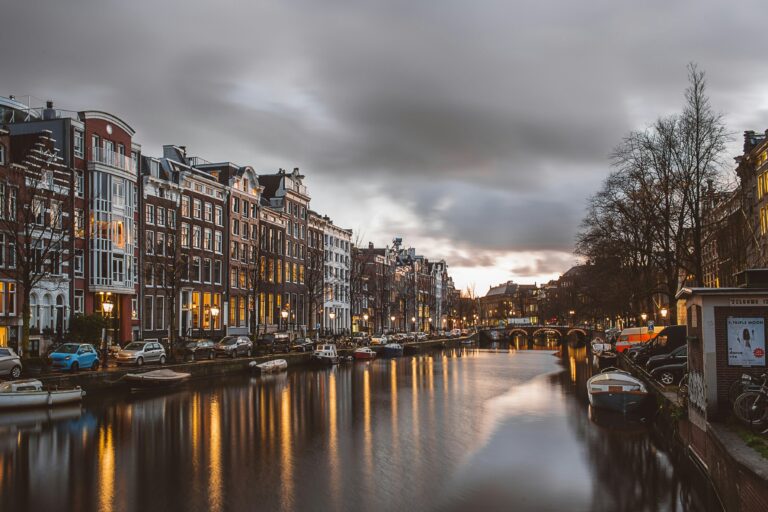
There is a particular kind of freedom that appears in places where no one knows you.
No one knows your routine, your past, your job, your habits, or the version of you that exists at home. There are no expectations to fulfill, no familiar roles to step into, no pressure to behave in ways that feel predictable. In a new place, identity can become quieter.
This is part of what makes travel feel emotionally light, even before anything significant happens. The relief often has less to do with the destination itself and more to do with temporary anonymity. For a while, there is space to exist without constantly being reflected back through other people’s assumptions.
At home, identity is reinforced daily. People expect consistency. Certain behaviors become automatic because they are tied to environment, routine, and relationships. Even comfort can become repetitive. Over time, it becomes difficult to notice how much energy goes into maintaining a familiar version of oneself. Travel interrupts that pattern.
In unfamiliar environments, there is no established narrative to continue. Small choices begin to feel different. The way time is spent changes. Attention shifts. Even personality can soften or expand in unexpected ways. Some people become more open while traveling. Others become quieter, calmer, or more observant.
Without the usual social framework, there is more room to notice what feels natural and what feels performed.
This is why simple moments abroad can feel strangely significant. Walking through unfamiliar streets without urgency. Spending hours without needing to explain yourself to anyone. These moments create a rare sense of mental spaciousness.
There is also relief in being temporarily disconnected from personal history. Mistakes feel smaller. Embarrassment passes quickly. Interactions carry less emotional weight because they are not attached to long-term identity. The mind relaxes when it is not constantly anticipating how it is being perceived.
At the same time, anonymity can be confronting. Without familiar routines and validation, certain distractions disappear. There is more silence, more observation, more direct contact with thoughts and emotions that daily life often keeps hidden. That is part of why travel can feel clarifying.
Being unknown removes noise. It creates enough distance to notice patterns, habits, and emotional states more honestly. Not because travel changes personality overnight, but because it temporarily removes the environment that reinforces it.
The strange part is that many people return home realizing the version of themselves they liked most while traveling felt more authentic, not less. More connected to their own pace.
And perhaps that is one of the quietest reasons people feel drawn to travel again and again — not only to discover new places, but to reconnect with parts of themselves that become easier to hear when nobody around them expects them to be anyone in particular.