There is a reason so many journeys lead us toward water. From quiet lakes and winding rivers to endless coastlines, blue spaces have a unique pull. They slow us down, steady our thoughts, and invite a different rhythm of travel — one shaped by reflection rather than rush.
Travel destinations defined by water are not just visually striking. They offer something deeper: a sense of calm that feels almost immediate, even before we understand why.
Research consistently shows that being near water lowers stress, reduces mental fatigue, and supports emotional balance. The sound of waves, the movement of a river, or the stillness of a lake engages the nervous system in a gentle way. Attention softens. Breathing deepens. The mind shifts from alertness to ease.
Unlike crowded landmarks or fast-paced cities, water invites pause. You don’t rush past it — you sit, watch, listen. And in that stillness, the body begins to reset.
Lakes offer a different kind of therapy. Their calm surfaces reflect the world back to us, encouraging quiet observation. Traveling to lake-centered destinations often means slower mornings, long walks, and time spent simply being present.
Whether in the Alps, Scandinavia, or remote countryside, lake travel feels introspective. It’s ideal for those seeking mental clarity, creative space, or a gentle break from constant stimulation.
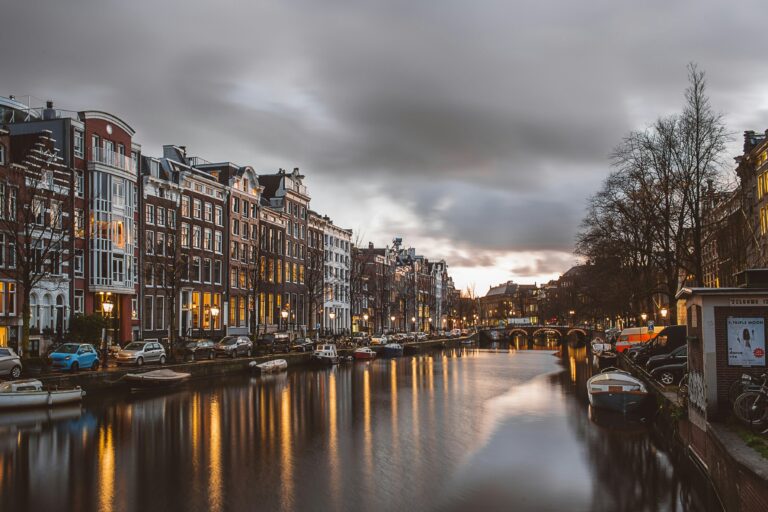
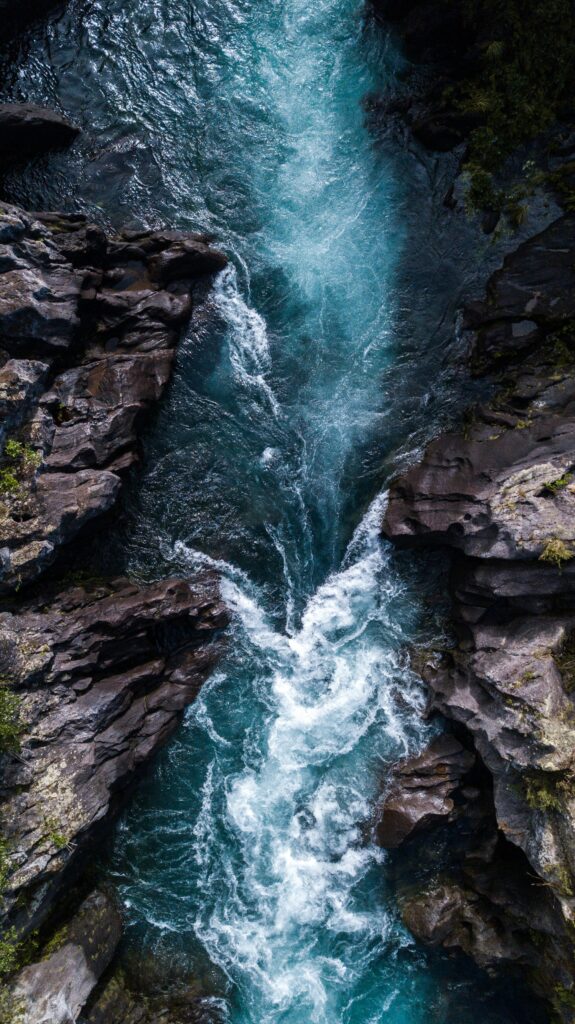
Rivers bring motion without urgency. They flow steadily, reminding us that progress doesn’t require force. Destinations shaped by rivers — from European old towns to jungle landscapes — tend to feel grounded and human.
Following a river while traveling often becomes a metaphor for the journey itself. You move alongside it, not against it, allowing the route to unfold naturally.
The ocean offers something more expansive. The horizon opens the mind. Waves create a rhythm that regulates the nervous system, helping release built-up tension. Coastal travel is often restorative because it combines movement, breath, and sensory immersion.
Walking along the shore, swimming in open water, or simply watching the tide can feel deeply grounding. Many travelers describe a sense of emotional release — a quiet feeling of being held by something larger.
Water environments engage all senses while requiring very little effort. You don’t need a schedule. Presence becomes the experience. This is why destinations centered around water often feel more memorable — they restore before they impress.
In a world that demands constant attention, water gives permission to slow down.
Choosing destinations shaped by lakes, rivers, and seas is a form of intentional travel. It prioritizes well-being, balance, and emotional reset over speed or spectacle. These journeys leave travelers not just with photos, but with a lasting sense of calm carried home.
Sometimes, the most powerful travel experiences are not about what you do — but where you allow yourself to be still.