There is something special about seeing a city before it fully wakes up. Most travelers meet a place at its busiest — when the cafés are crowded, the attractions are surrounded by people, and every street seems to have somewhere important to go. But early in the morning, before the rush begins, a city feels entirely different. More intimate.
One morning during a trip abroad, sleep came to an end much earlier than expected. Instead of trying to fall back asleep, it seemed like a good excuse to step outside and wander for a while.
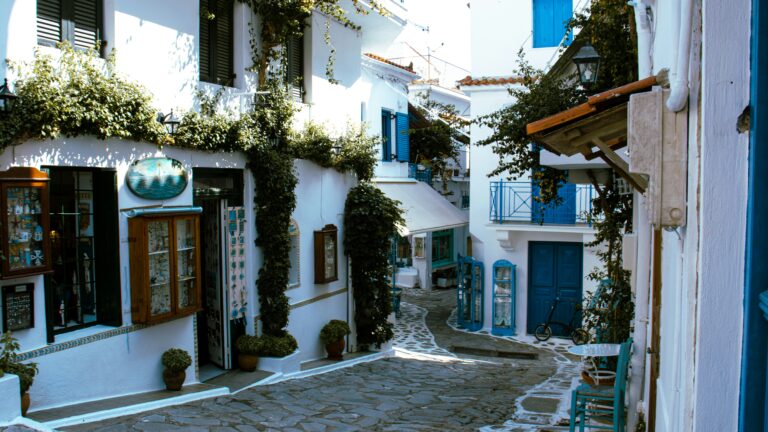
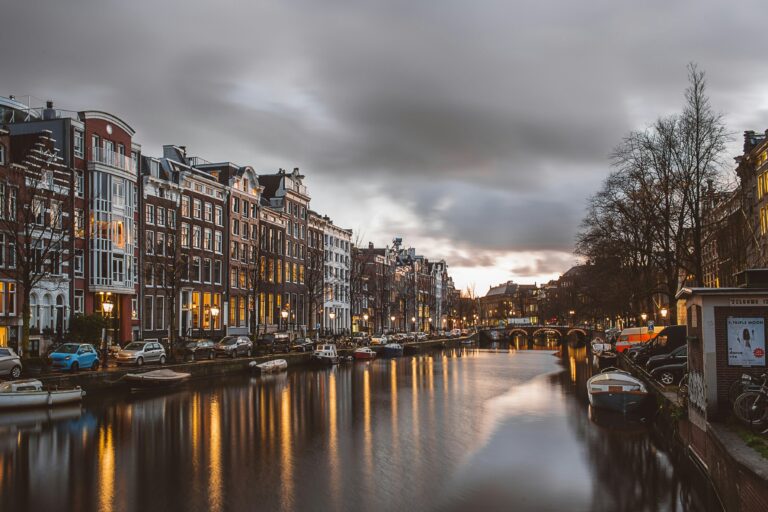
The streets were almost empty. The air still carried the coolness of the night, and the soft morning light gave everything a slightly dreamlike quality. Storefronts remained closed, chairs were stacked outside cafés, and the city seemed suspended somewhere between sleeping and waking. There was no plan, no destination, and no pressure to make the most of the morning.
That freedom changed everything.
Without a schedule to follow, attention naturally shifted toward small details that would normally go unnoticed. A baker carrying trays of fresh bread into a shop. The sound of a bicycle moving through a quiet side street. A woman opening the shutters of her apartment window above a narrow alley. None of these moments were remarkable on their own, yet together they created a picture of the city that felt far more memorable than any landmark.
As the walk continued, it became clear that this version of the city was rarely seen by visitors. Most people would arrive later, when the cafés were busy and the famous squares filled with cameras and conversations. But for a brief period each morning, the city belonged to the people who actually lived there.
There was something comforting about witnessing those ordinary routines.
Travel often encourages looking for extraordinary experiences. The hidden beach. The perfect viewpoint. The restaurant everyone recommends. Yet some of the strongest memories come from moments that seem almost insignificant while they are happening. A quiet street. Fresh bread drifting from a bakery. The sound of someone sweeping a doorstep. Nothing dramatic happened that morning. No unforgettable encounter. No life-changing realization. Yet years later, the memory remains surprisingly vivid.
Perhaps because it offered something that is increasingly rare — the opportunity to simply observe without needing anything from the experience. There was no goal to reach and no attraction to check off a list. The morning unfolded slowly, revealing the city at its own pace rather than demanding attention through spectacle.
By the time the streets began to fill and the familiar energy of the day returned, something had already been gained. Not a story that sounded impressive, but a feeling of connection to a place that existed beyond its postcards and recommendations.
Looking back, the names of the streets have faded and the exact route is impossible to remember. What remains is the atmosphere: the pale morning light, the nearly empty sidewalks, and the quiet sense of being present in a place before the rest of the world arrived.