Crossing a border does more than move you from one country to another. It subtly alters how time feels. Schedules shift, rhythms change, and the pace of daily life rearranges itself. Travel makes this especially clear: time is not fixed — it’s cultural, environmental, and deeply human.
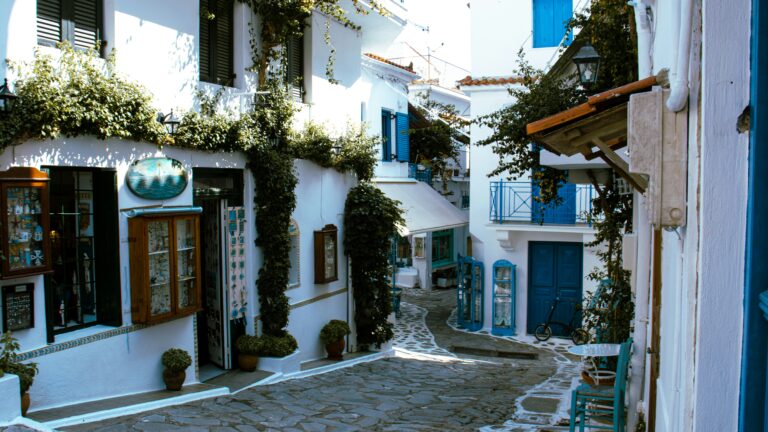
In some places, days stretch. Meals take longer. Conversations unfold without urgency. Shops open when they open, not when the clock demands it. For travelers used to strict schedules, this can feel disorienting at first — then deeply freeing.
Slower cultures teach you that time doesn’t always need to be managed. Sometimes it needs to be inhabited.
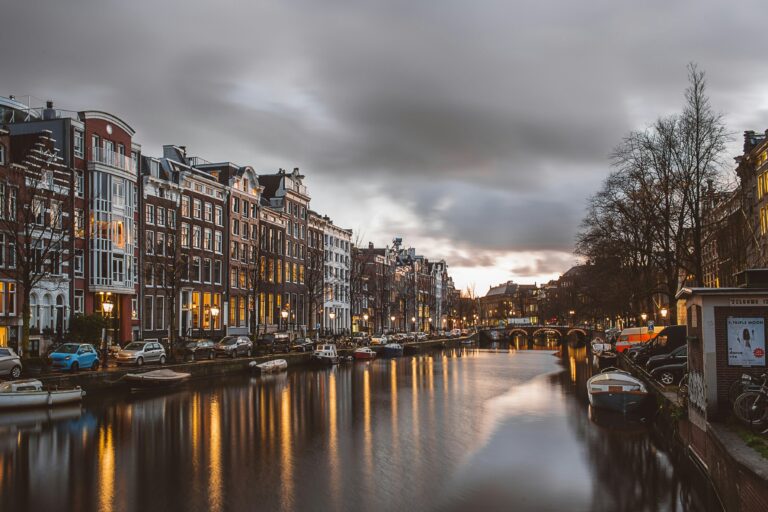
Other borders bring speed. Cities where everything moves quickly, where efficiency is valued, and where time feels compressed. Days fill fast. Movement is constant. Travel in these places can feel exhilarating or exhausting, depending on your temperament.
These environments reveal how pace shapes mood. The same 24 hours can feel radically different depending on where you are.
Crossing borders often means crossing from clock-driven time to experience-driven time. In some cultures, relationships and presence outweigh punctuality. In others, structure creates reliability and flow.
Neither is better. Travel simply exposes the flexibility of time — and how our expectations shift when we step outside familiar systems.
Jet lag does more than disrupt sleep. It temporarily detaches you from your usual sense of progression. Days blur. Nights stretch. This disorientation, while uncomfortable, can open a rare mental space — one where habits soften and awareness sharpens.
Every border comes with unspoken rules about waiting, urgency, and rest. Learning these rhythms is part of understanding a place. You don’t just adjust your watch — you adjust your patience, your expectations, your breathing.
Over time, you begin to feel when a day is meant for action and when it’s meant for stillness.
After traveling across different temporal rhythms, home time often feels different. Faster or slower. More rigid or more fluid. Travel recalibrates your internal clock, even if subtly.
You may return with a deeper respect for pauses — or a clearer understanding of when structure supports you.
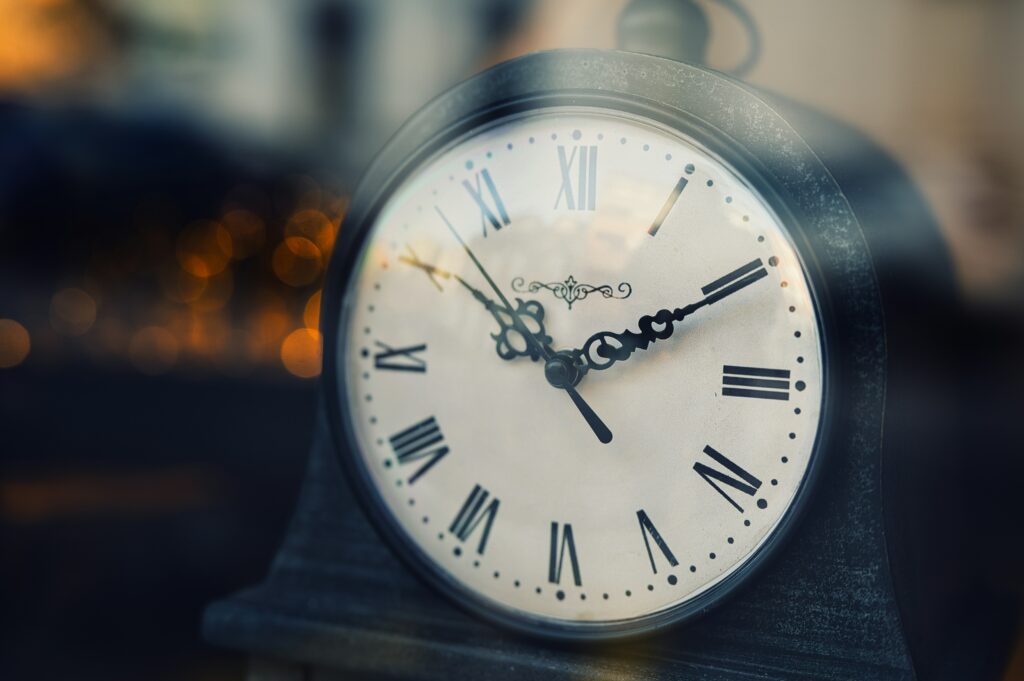
Borders reveal that time is not only measured — it’s experienced.
Travel doesn’t give you more hours, but it can give you a new relationship with them. And sometimes, that shift in perception is the most lasting souvenir you bring home.