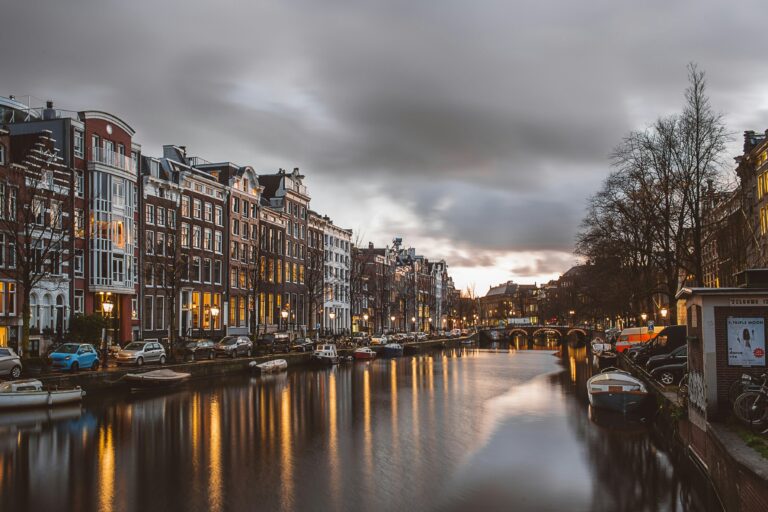
The shift between a city and a natural environment is often felt almost immediately, even if it’s hard to explain at first. Moving away from traffic, noise, and constant motion into open space, greenery, or quiet landscapes creates a noticeable change in the body. Breathing becomes deeper, movements slow down, and attention feels less scattered.
Urban environments are built around activity. There is always something happening — movement, decisions, interactions, background noise. Even in moments that seem calm, there is a constant layer of stimulation. Over time, the nervous system adapts to this pace, staying slightly alert and reactive without fully switching off.
Natural spaces operate on a different rhythm. There is movement, but it doesn’t demand urgency. Sounds exist, but they don’t compete for attention in the same way. Instead of pulling focus in multiple directions, the environment allows it to settle. This creates a shift not only in how surroundings are perceived, but also in how thoughts and emotions are experienced.
At first, this slower pace can feel unfamiliar. There may be an impulse to reach for a phone, to fill the silence, or to recreate the level of stimulation the mind has become used to. But when that impulse passes, the experience changes. Attention becomes steadier, thoughts feel less fragmented, and there is more space to notice what is happening internally.
This shift is not about idealizing nature or rejecting urban life. Cities offer energy, connection, creativity, and momentum. They can feel exciting and inspiring in ways that quieter environments cannot. But without contrast, that same stimulation can turn into fatigue.
Natural environments provide that contrast. They support a different state — one that is less reactive and more grounded. Time often feels less compressed, and the body no longer operates under constant subtle pressure.
Understanding this difference changes how travel is experienced. It becomes easier to recognize when there is a need for stimulation and when there is a need for recovery.
Moving between these environments intentionally allows for balance, rather than relying on one state continuously.
The most important shift happens quietly. It is not just about where you are, but how you feel within it.